Discover Péché
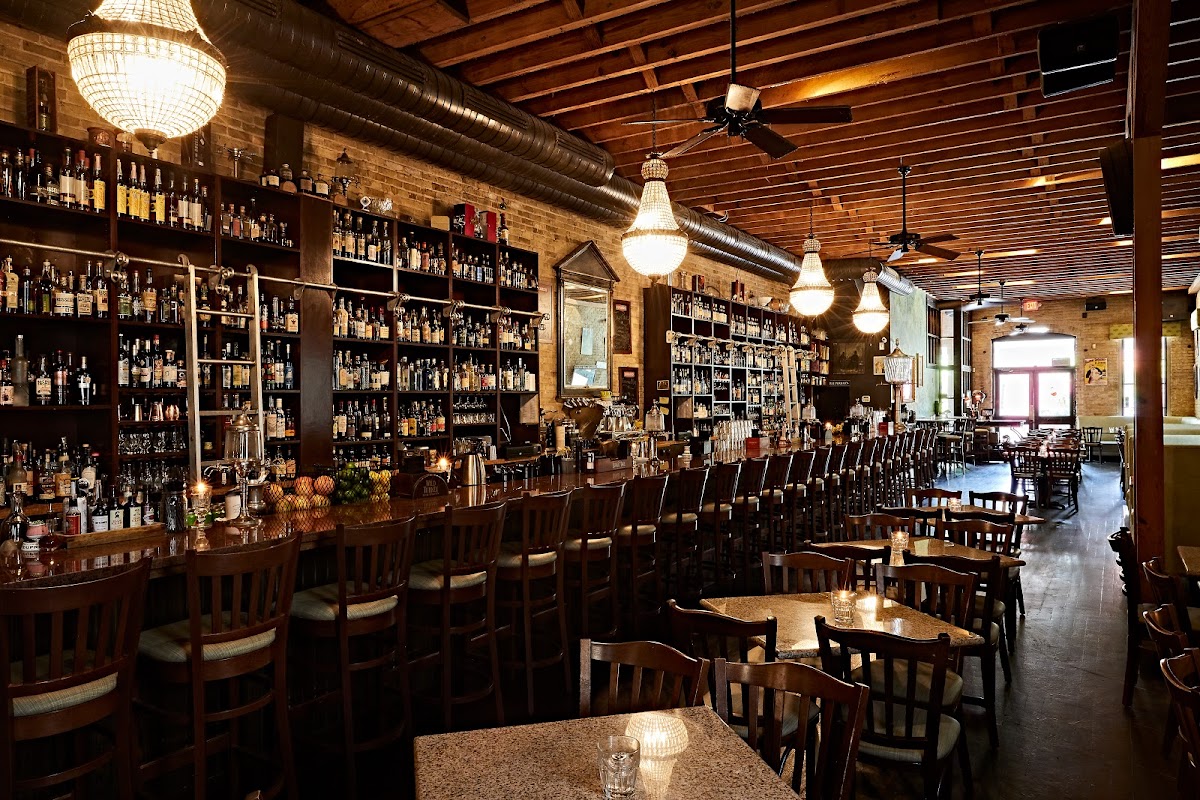
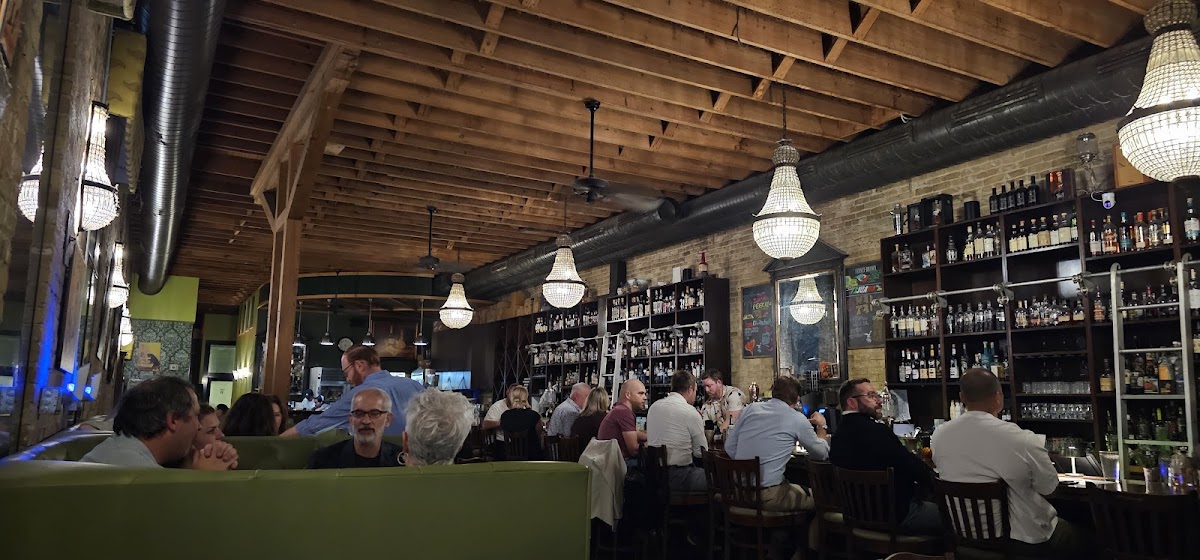
Walking into Péché feels like slipping into a lively Parisian brasserie that somehow landed perfectly in downtown Austin. The space buzzes without being chaotic, and from my first visit years ago to more recent stops after work, the experience has stayed remarkably consistent. The location at 208 W 4th St, Austin, TX 78701, United States puts it right in the middle of the action, yet once you’re inside, the outside noise fades into background energy rather than distraction.
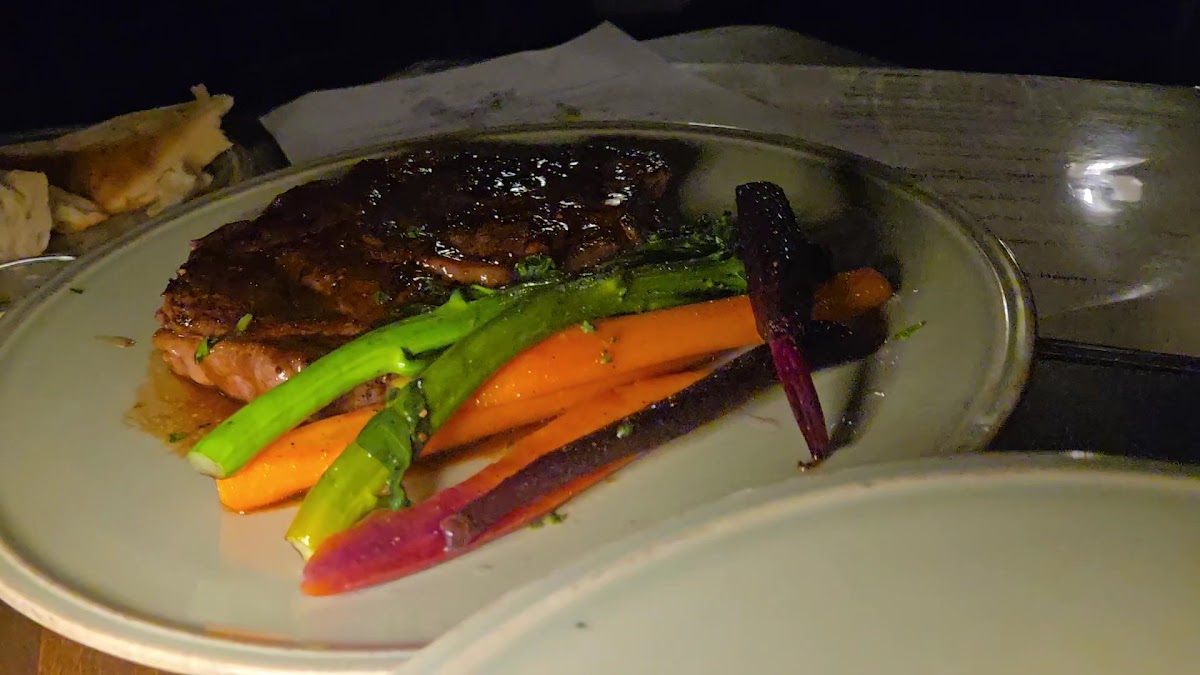
The menu leans heavily French, but not in a stiff or intimidating way. Think approachable classics done with care. I still remember sitting at the bar during one of their famously packed happy hour evenings, watching the kitchen move with calm precision while bartenders built drinks like they were running a well-rehearsed experiment. That first plate of steak frites came out exactly medium-rare, with fries crisp enough to hear across the table. Consistency like that doesn’t happen by accident; it’s usually the result of tight sourcing and disciplined kitchen systems, something culinary schools and organizations like the James Beard Foundation often point to as a marker of quality restaurants.
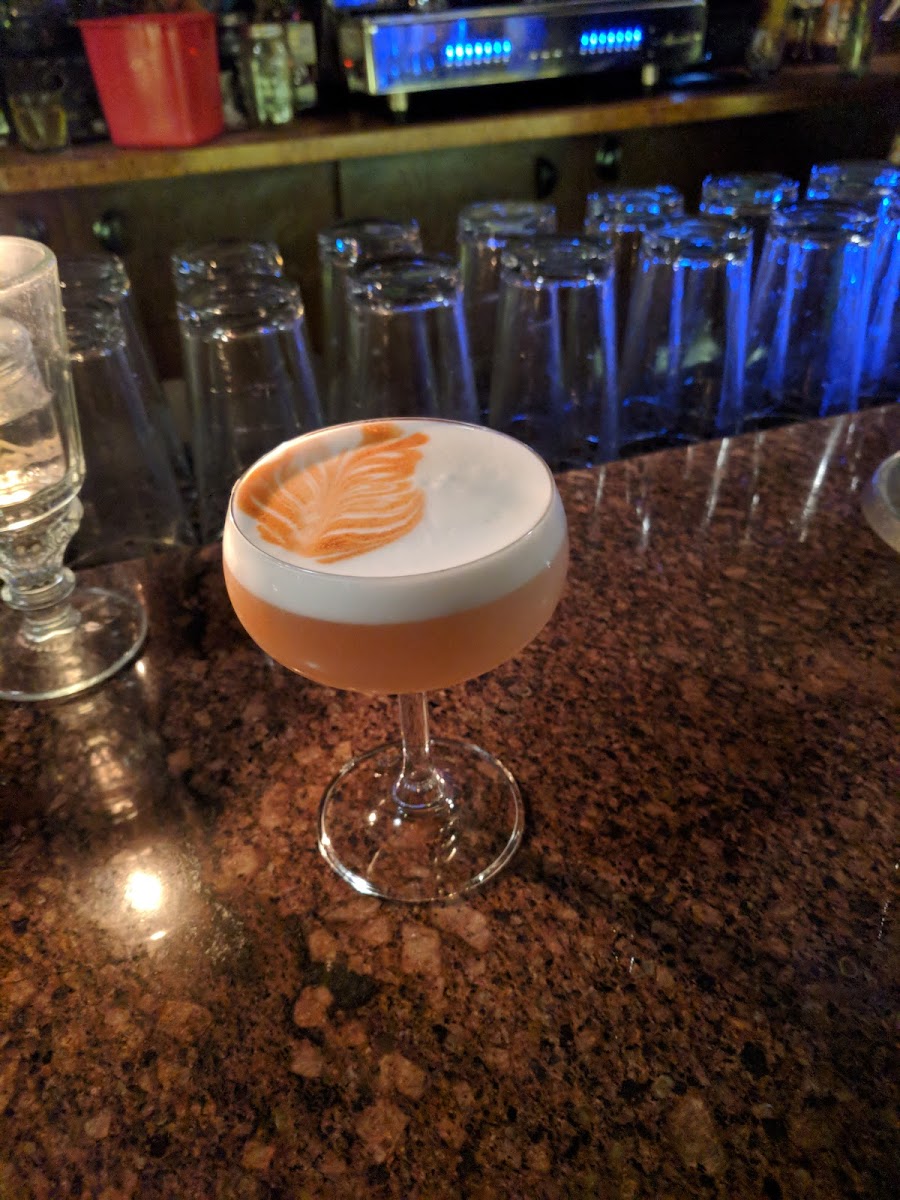
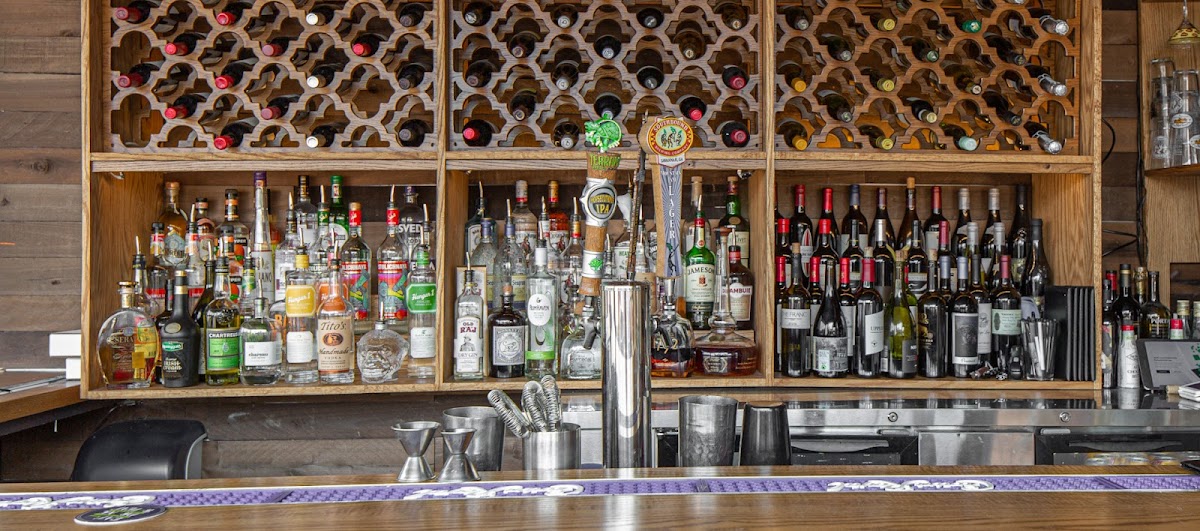
Cocktails are where this place quietly flexes its expertise. The absinthe-forward drinks aren’t gimmicks; they’re historically grounded and thoughtfully balanced. According to spirits industry research published by the Distilled Spirits Council of the United States, classic cocktail revivals have grown steadily over the last decade, and Péché rides that wave without overplaying it. Ordering one of their signature absinthe cocktails feels less like chasing a trend and more like participating in a tradition. The bartenders are happy to explain rinses, dilutions, and why certain herbs matter, which builds trust fast.
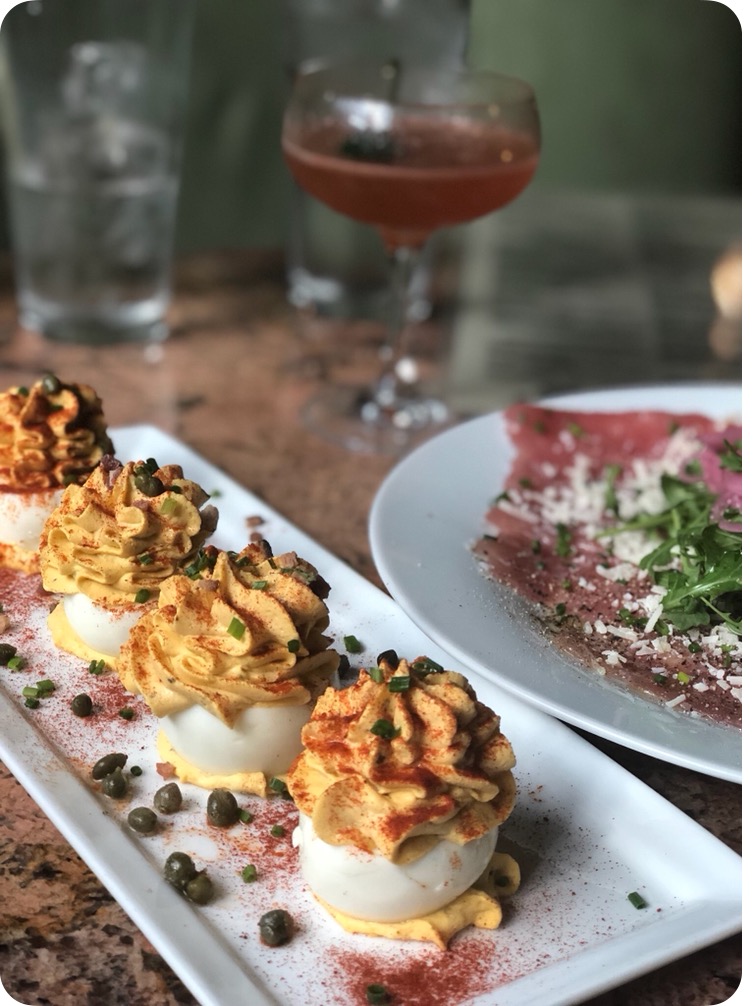
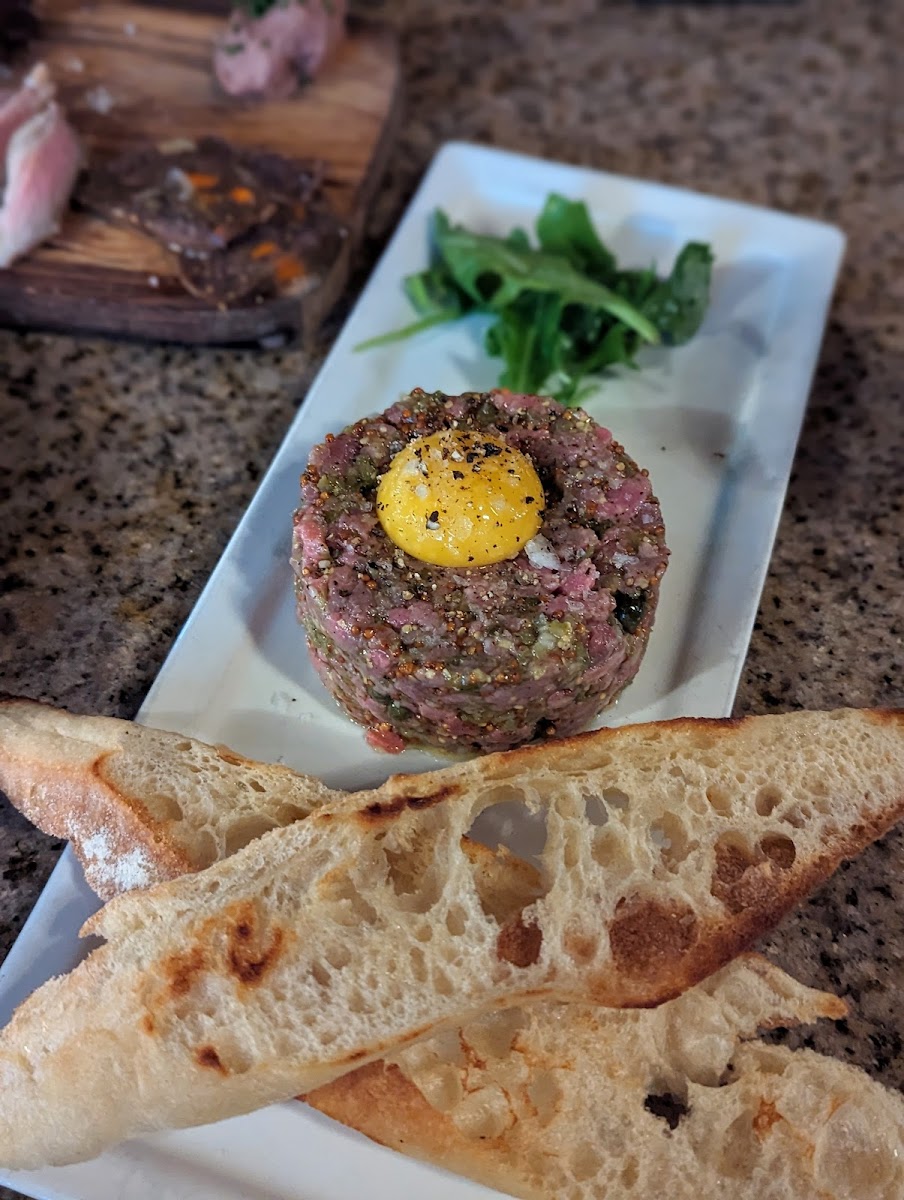
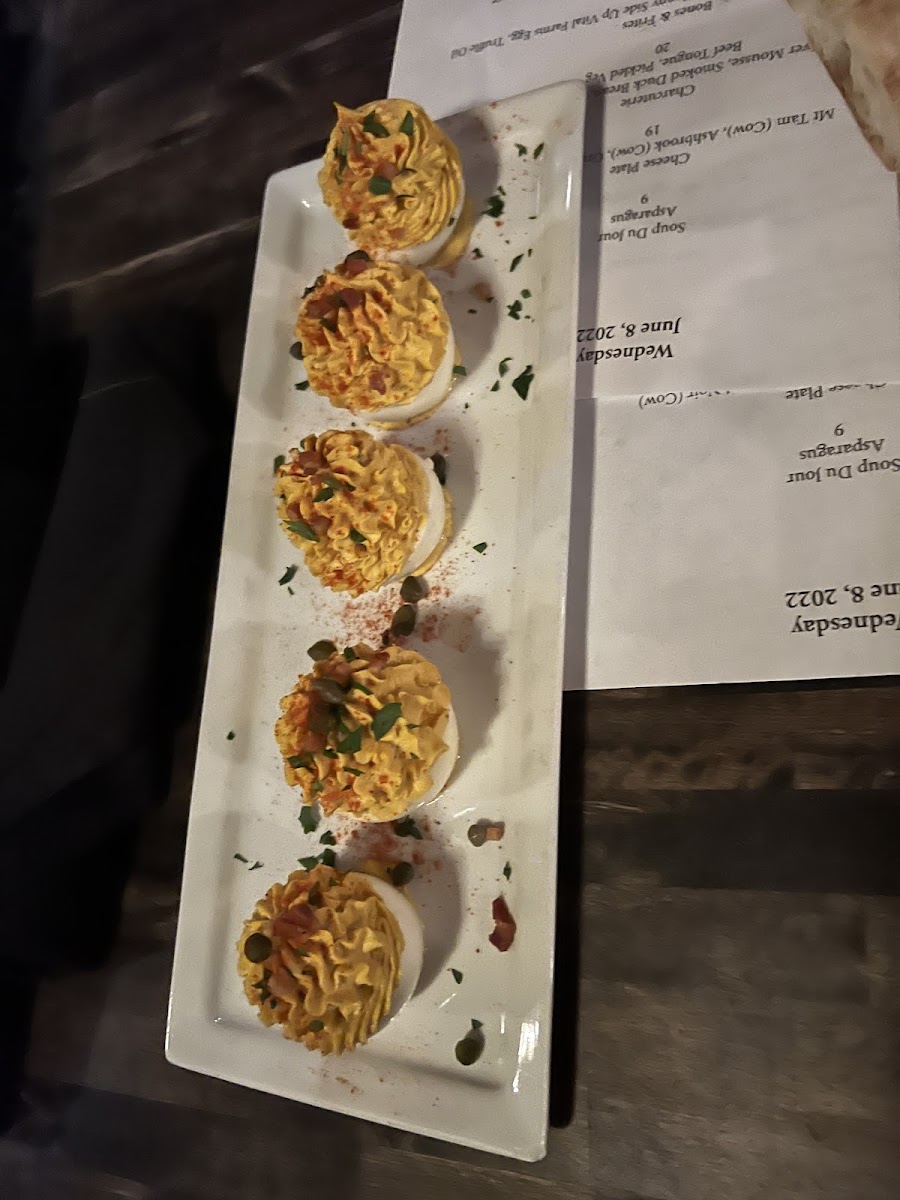
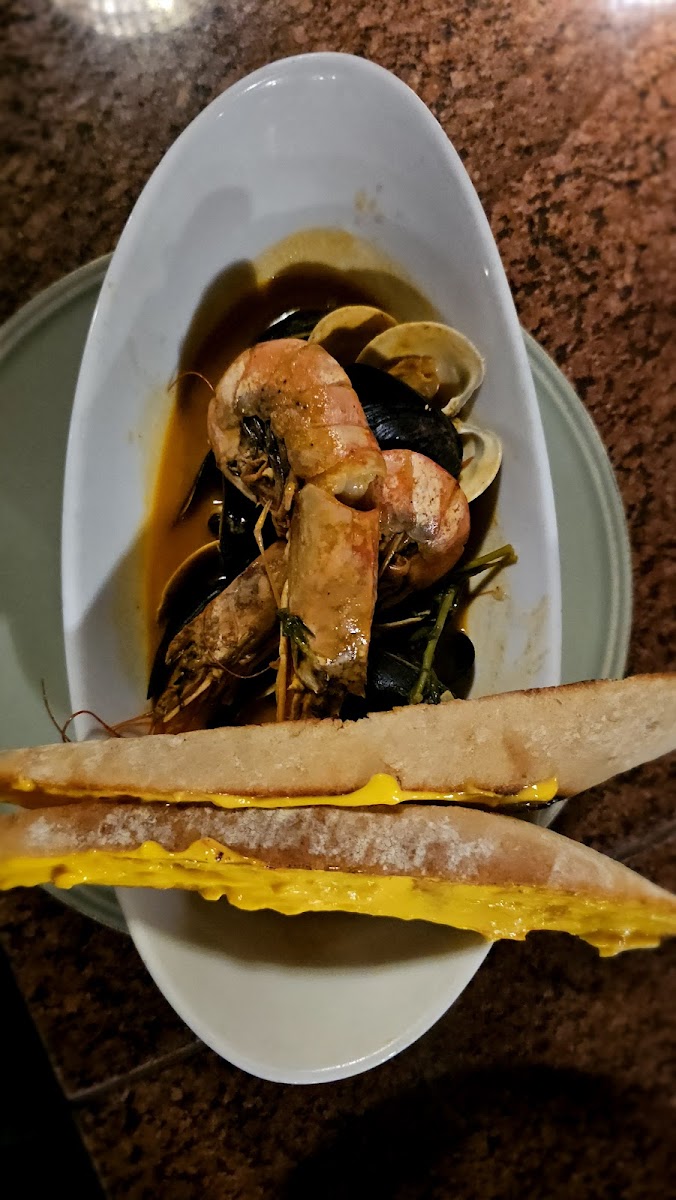
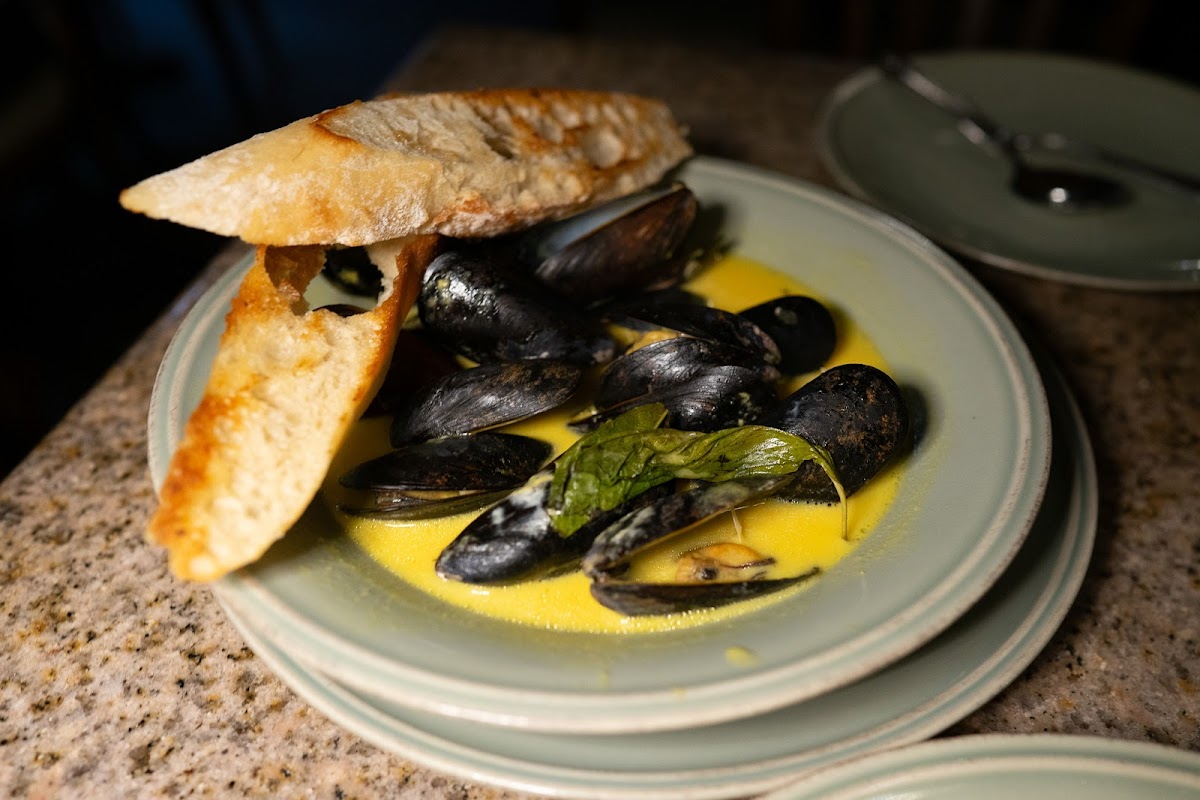
Dining here over time gives you perspective on why reviews tend to stay strong year after year. Friends visiting from out of town often comment on how the menu manages to feel indulgent without being heavy. Dishes like mussels, duck confit, and pâté are rich, yes, but portioned thoughtfully. That balance aligns with broader nutritional research from institutions like Harvard T.H. Chan School of Public Health, which notes that satisfaction often comes from flavor density rather than sheer volume. You leave full, not weighed down.
Service deserves its own moment. On one visit, a server noticed we were debating wine pairings and offered a brief, clear breakdown without hovering or upselling. That kind of guidance reflects training and confidence, not a script. It’s also why locals keep bringing new people here. Trust is built when recommendations feel genuine, and over multiple visits, I’ve yet to feel steered wrong.
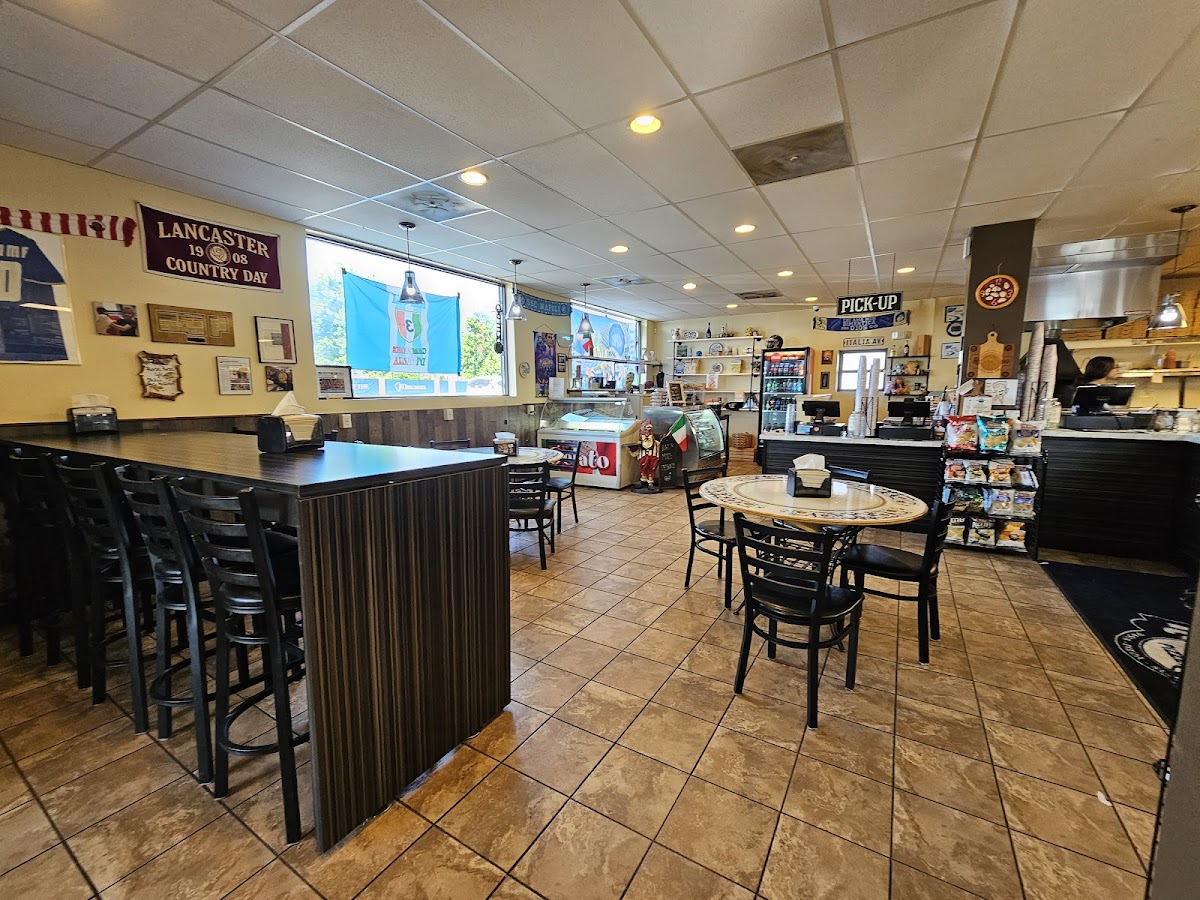
The dining room itself plays a subtle role in the experience. Warm lighting, closely set tables, and an open bar create that old-world charm people talk about, but it never tips into nostalgia for its own sake. It works because it supports conversation and focus on the food. Even on busy nights, the flow of the room keeps things moving smoothly, a detail often overlooked but essential in high-performing restaurants.
No place is flawless, and on peak weekends waits can stretch longer than expected, especially without a reservation. Still, the staff is upfront about timing, which matters. Transparency like that is one of the simplest ways restaurants maintain credibility, and it shows respect for diners’ time.
From casual weekday dinners to celebratory nights out, Péché has proven itself reliable, informed, and deeply rooted in craft. The combination of thoughtful menu design, disciplined execution, and knowledgeable service explains why it continues to earn strong word-of-mouth and repeat visits in a city overflowing with dining options.